If you run a small apparel or accessories brand, you already know the drill for a catalog shoot. You're not just paying a photographer for a day. You're paying for everything that has to happen around that day, and most of it doesn't show up until you're already committed.
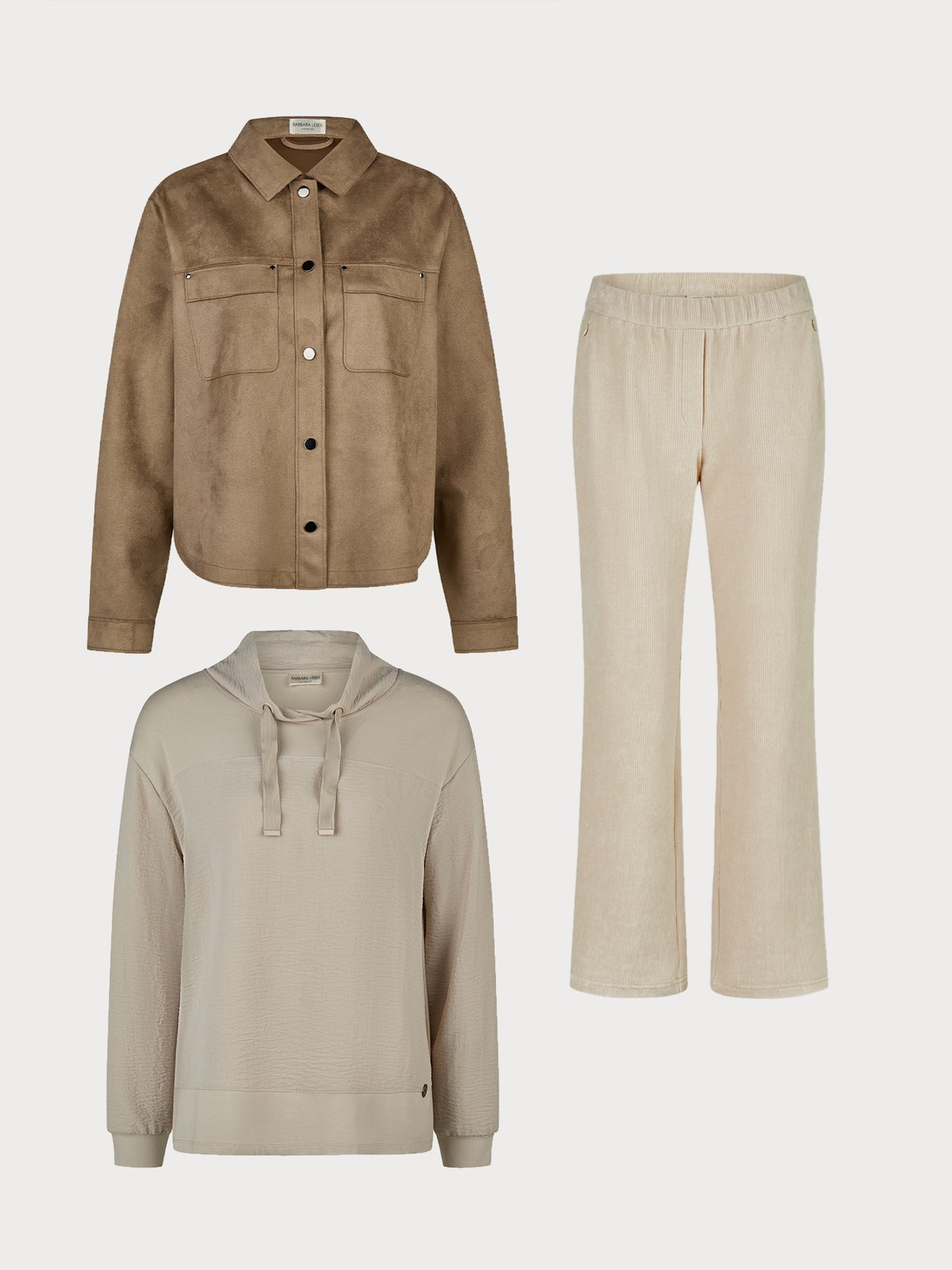
Before: flatlay upload
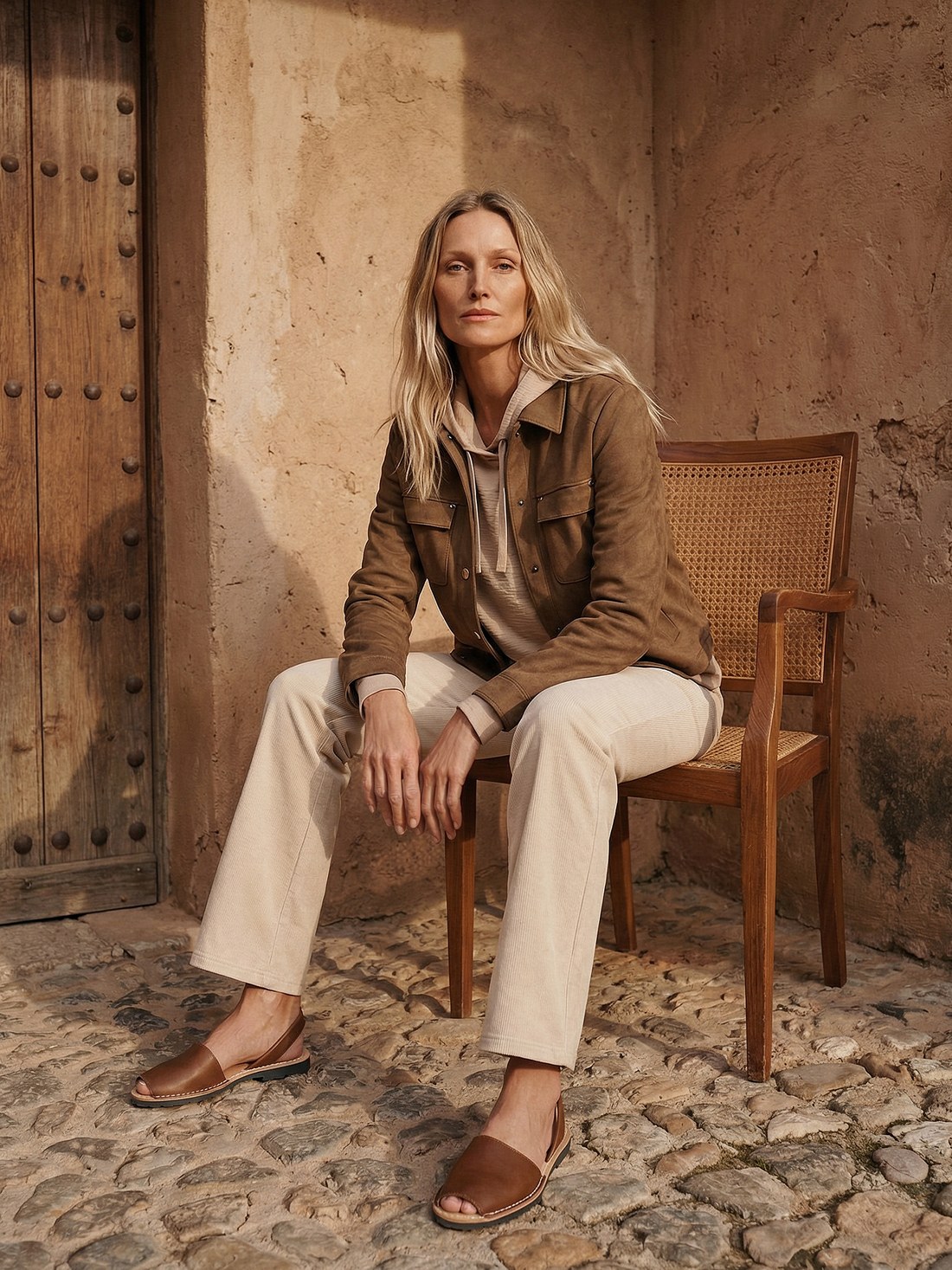
After: NotShot render
A typical small-brand catalog shoot has a handful of line items stacked on top of each other: a photographer's day rate, a studio or location rental, a model booking (sometimes more than one, if you need size or ethnicity range), a stylist or someone doing that job informally, and retouching after the fact. None of these are optional on their own, but together they turn what looks like "book a photographer" into a coordinated production with a real lead time, usually weeks, not days.
Then there's the part nobody budgets for: reshoots. A garment doesn't sit right on the model, the light was wrong in three of your twelve looks, or the brand wants a different pose for the hero image after seeing the first pass. Each of those is another day, another booking, another wait.
A large retailer amortizes a shoot across thousands of units and a dozen seasons of reuse. A small brand doing a 20-piece drop is paying close to the same fixed costs (photographer, studio, model) for a much smaller run, so the cost per garment photographed is disproportionately high. That's the actual reason so many small apparel brands either under-shoot their catalog or push a launch back to fit a booking window.
This is the part we'd rather be honest about than oversell. AI-generated product photography (what NotShot does) removes the coordination cost: no studio booking, no model day rate, no reshoot lead time, because you can regenerate a look in minutes instead of rebooking a day. Where it doesn't help is anything that depends on a real physical shoot for its own sake, a campaign built around a specific real location or a specific real person's presence for brand reasons that go beyond the garment itself.
For catalog and product imagery specifically, the actual bar is quality: does the render hold up at full resolution, does the garment's fabric and drape look real, and does the model look like an actual person rather than a synthetic stock face. That's the bar we hold ourselves to, not speed alone.