We're one of the tools in this category, so read this with that in mind. But the honest answer to "which AI product photography tool should a fashion brand use" is that it depends on what's actually slowing your catalog down, and most roundups skip that part. Here's how we'd actually compare them.
A few things actually separate these tools. Does the output get checked before it ships, or do you find the bad ones after the fact? Does it handle swimwear and intimates, or just refuse those categories outright? Is pricing pay-per-render or a monthly seat? And does the model actually look like the same person across a full catalog, or drift a bit look to look? Honestly, most of the rest is interface preference.
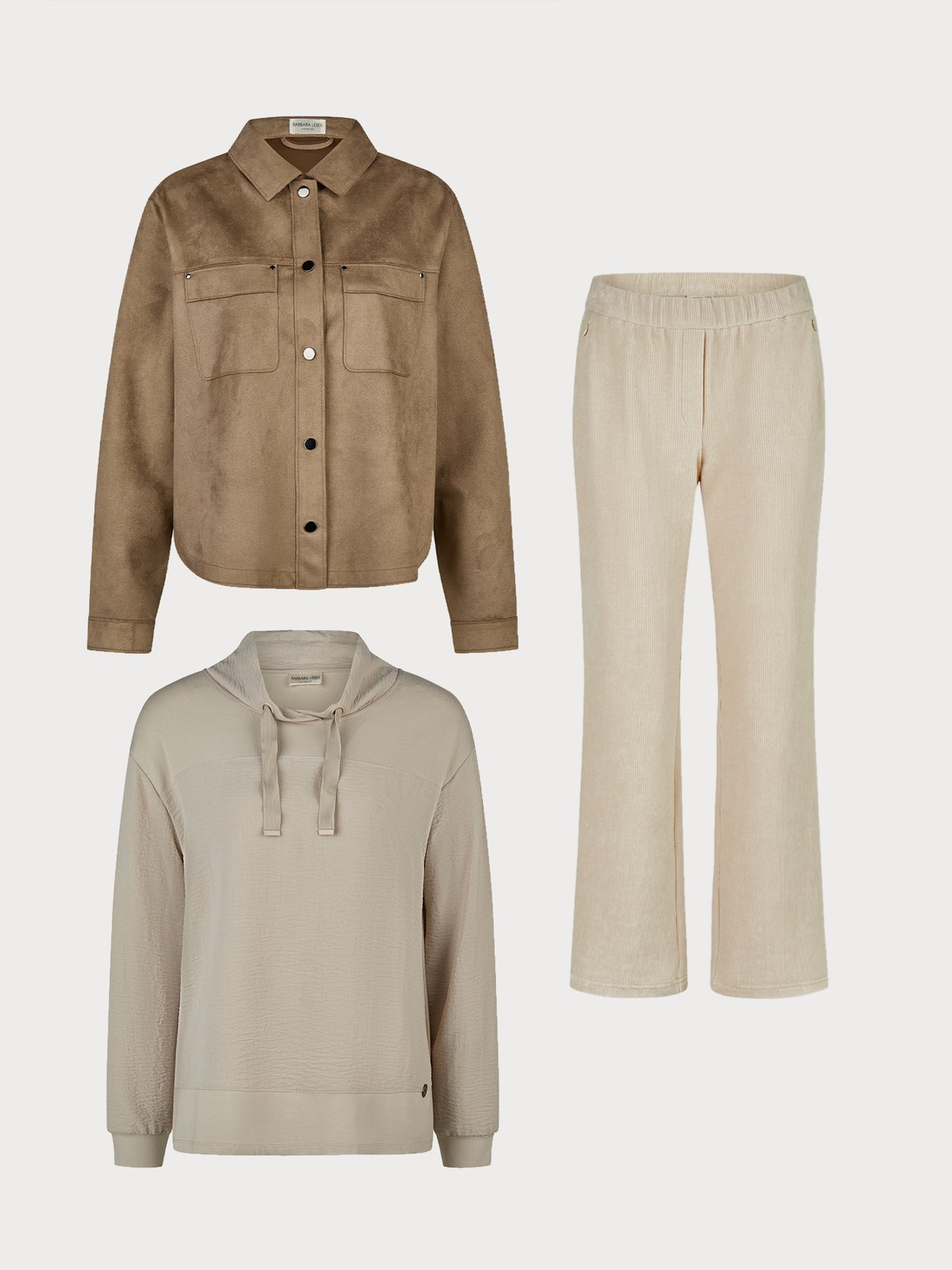
Before — flatlay upload
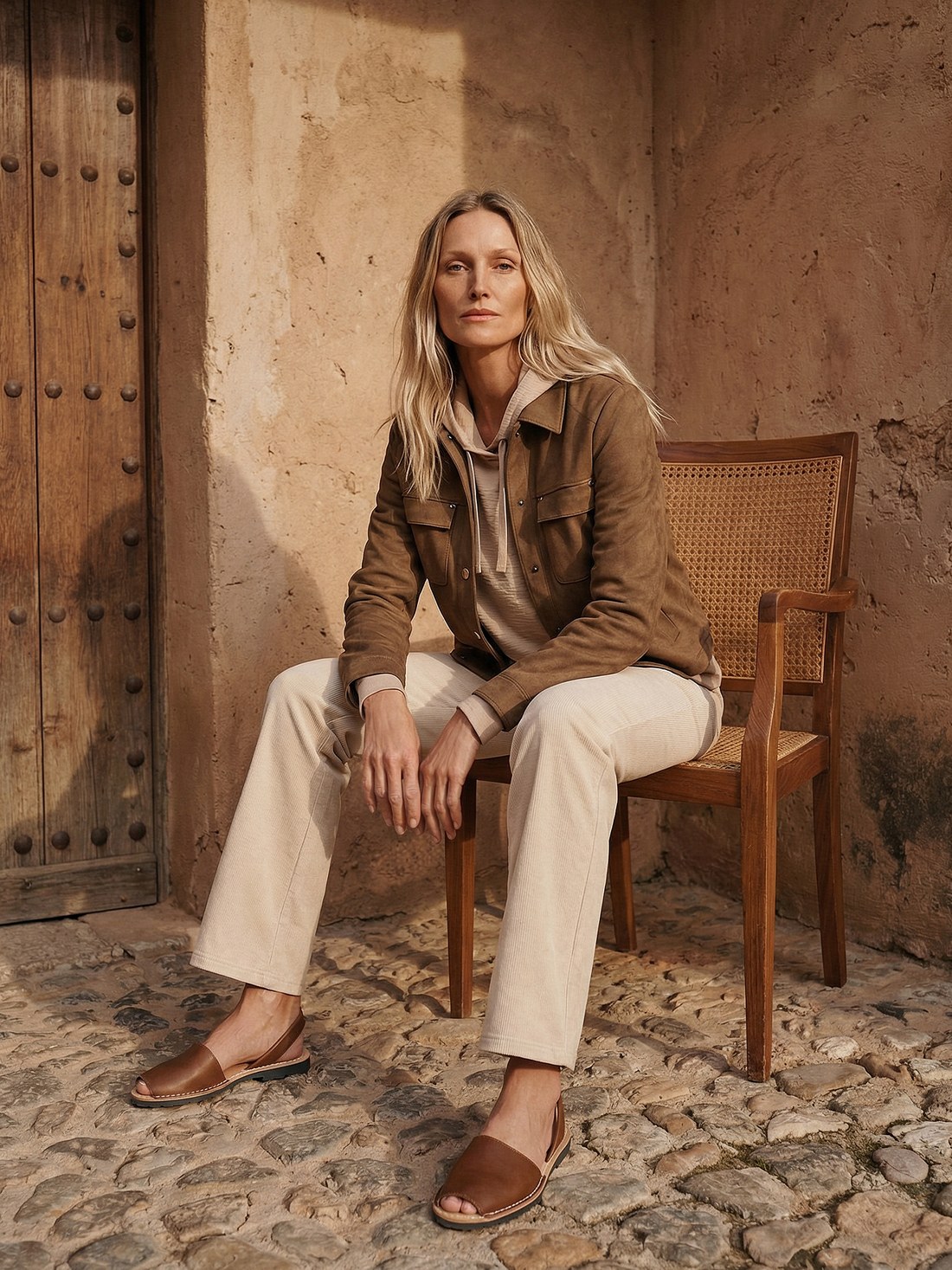
After — NotShot render
Judge-graded 4K renders. Every image gets scored by an AI judge before delivery, and anything below the quality bar auto-refunds the credit instead of getting billed. Handles swimwear and intimates, which some competitors won't touch. Pay-per-action credits, 50 free credits at signup. We built it for brands rendering a whole catalog, week after week, and needing it to stay consistent.
A broader suite covering background removal, enhancement, and on-model generation in one workspace, fashion is one use case among several. Real venture backing (a $3M seed round) funds a wide feature set. Makes sense if you want editing and generation under one roof rather than a fashion-specific pipeline. See our full Claid alternative breakdown for the details.
Credit-based, starting around $29 a month, aimed at smaller brands that want a simple upload-a-flatlay-get-a-model-shot flow. Easy to pick up. Less depth on category-specific handling than a fashion-only tool tends to have.
Turns a flat product photo into an on-model image with a simple control set. Popular with Shopify stores specifically. Works well if your catalog is straightforward apparel.
Fast and cheap per image, with ghost-mannequin output as one mode alongside on-model shots. Makes sense when raw cost-per-image matters more than per-shot quality control.
Built specifically for fashion, footwear, and eyewear, so it reads closer to a fashion-native competitor than the more general tools above. Worth a look if footwear or eyewear is a real chunk of your catalog.
In practice the gap shows up on the harder shots, a plain t-shirt on a plain background looks fine out of nearly all of these. A swimwear line, a full look with layered garments, or a catalog where the same model has to read as the same person across forty products, that's where a quality gate and identity consistency actually start to matter. That's the honest pitch for NotShot: built for the parts of a catalog that are genuinely hard to get right.
If you're weighing NotShot specifically against two of the names above, we did a deeper named comparison, NotShot vs Claid vs WearView. If model identity is the part you actually care about, we went deeper on that split in best AI tools for on-model fashion photography. And if apparel is only part of your catalog, best AI product photography tools for ecommerce covers the general-purpose tools too.