A lot of AI photo tools sell access to a library of synthetic stock models. NotShot works the other way around: you upload your own model's photo, and that's the identity that appears in every render.
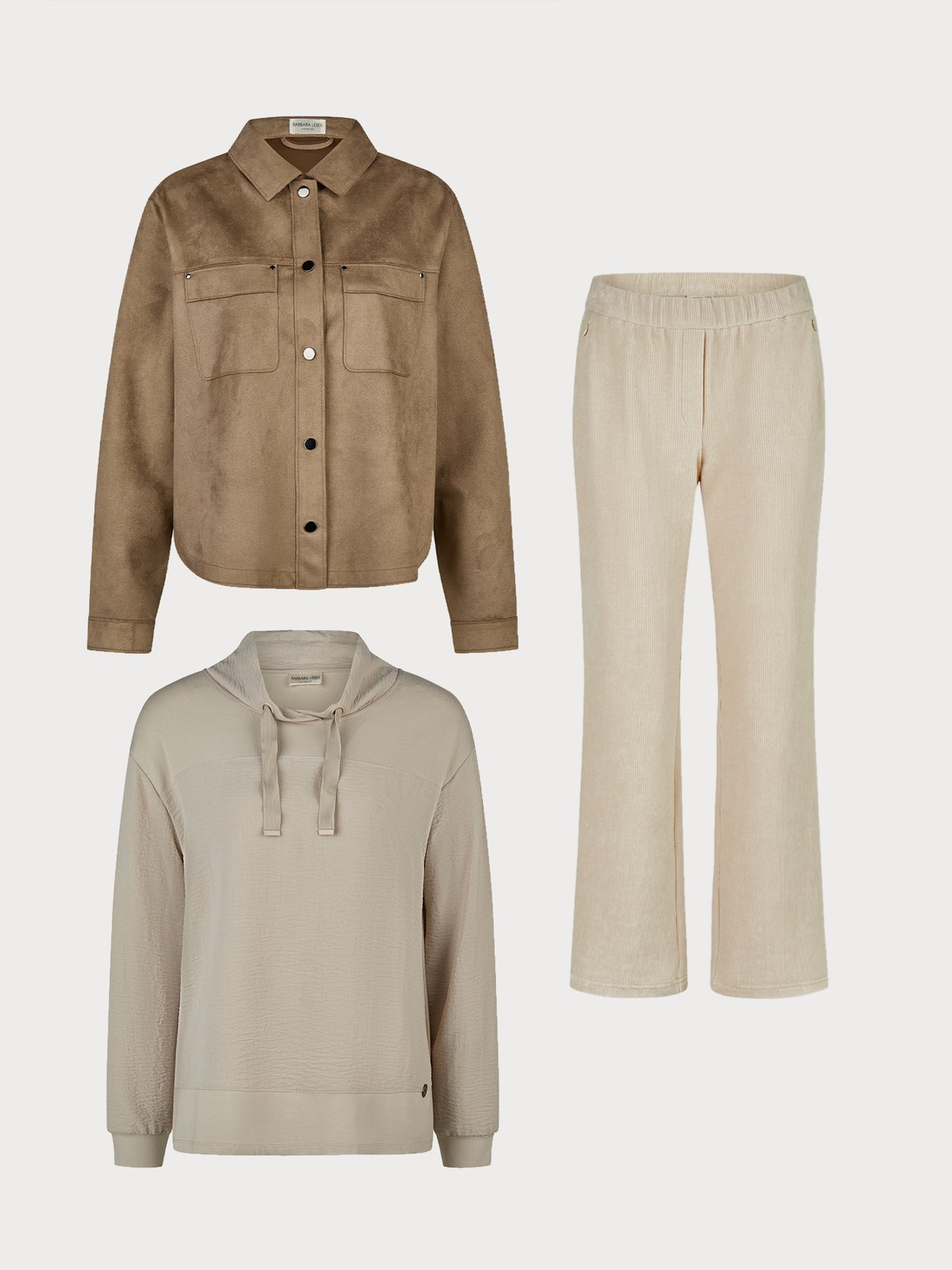
Before: flatlay upload
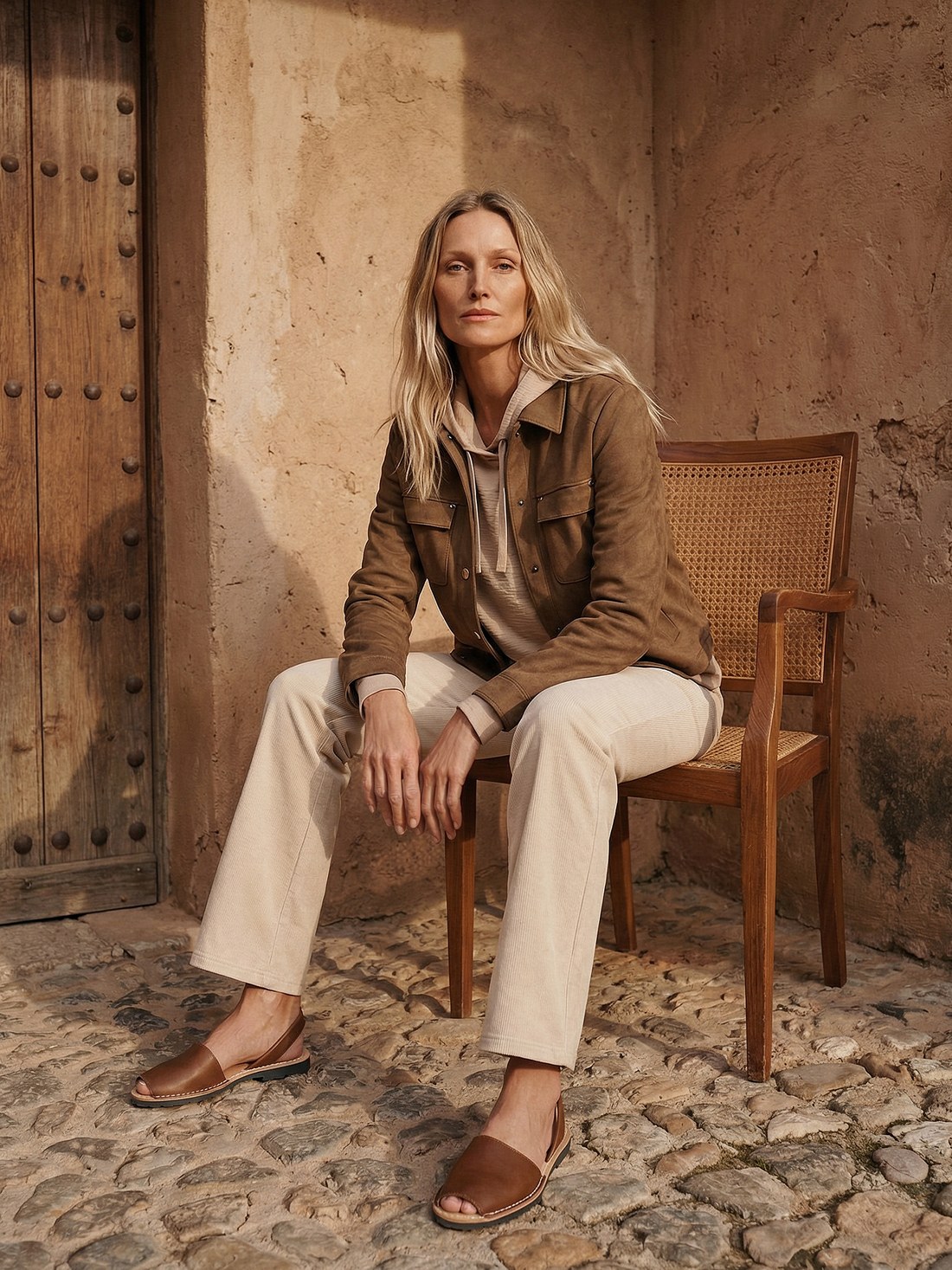
After: NotShot render
Generating one convincing image of a person is a solved problem. Keeping that same person recognizable across a dozen renders, different poses, different garments, different lighting, without drifting toward a generic average face, is the part that actually determines whether a catalog looks like one coherent brand or a set of disconnected images. That consistency is the thing we optimize for, not any single hero shot.
You provide a model photo and a garment photo. The render preserves the model's actual features and proportions rather than substituting a stock identity, so the result reads as your brand's real person wearing your real product, not a generic AI model in your clothes.
If your customers have come to recognize a specific model across your marketing, swapping to a synthetic face the moment you switch to AI-generated catalog images breaks that continuity. Preserving the real identity is what lets a brand adopt this without it looking like a different company took over the catalog.
This is part of what a higher price per image buys, more on that in NotShot vs Claid vs WearView.